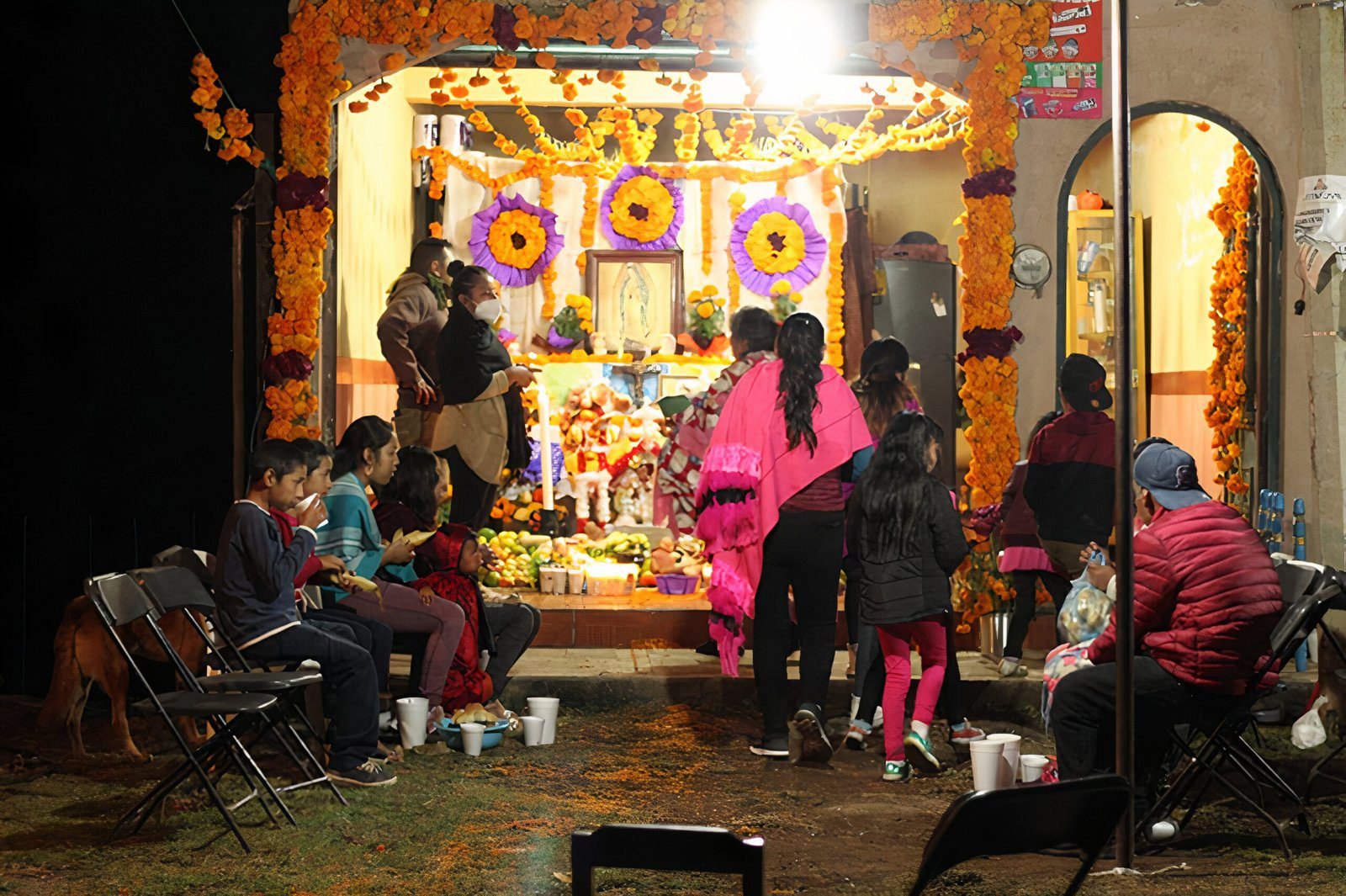
Santa Fe de la Laguna: the offering that gathers a household
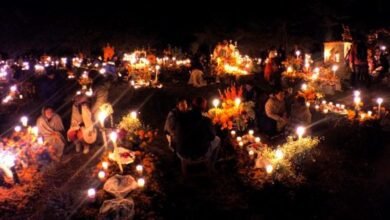
In Santa Fe de la Laguna, in the municipality of Quiroga, the Festival of Souls is better understood through homes and community life than through the images made famous by tourism. Offerings bring together relatives, friends and godparents. Each object recalls someone and expresses a bond that remains active through work and remembrance.
An offering with a name and a life behind it
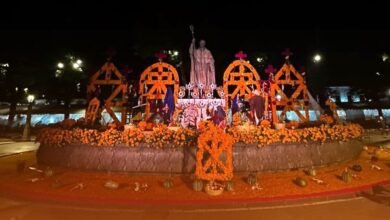
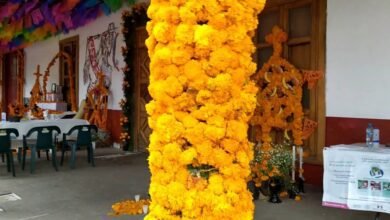
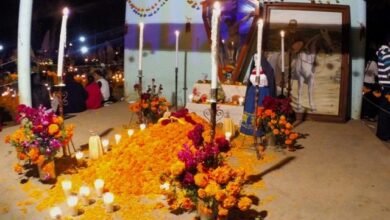
In October 2026, Michoacán’s Secretariat of Culture published information gathered from Guadalupe Hernández Dimas and Ireri Gabriela Huacuz Dimas, tradition bearers from Santa Fe de la Laguna. Their account offers an unusually valuable point of departure: the uatsarhukua, a wooden structure decorated with flowers and other elements, from which bread, fruit and sugar figures hang. Before it are placed the cross, a portrait of the person remembered, candles, salt, water, copal and other objects.
The same account links offerings with family visits and the transmission of knowledge between generations. Butterflies also have a place in certain local beliefs: according to these tradition bearers, their arrival is associated with the announcement of preparations to receive the dead.
Not every family uses the same objects or makes an altar in the same shape. A text claiming one universal size, obligatory geometry or absolute ban on papel picado would simplify a varied and living practice.
Hospitality does not mean unrestricted entry
Tourist accounts often portray commemorations in Santa Fe de la Laguna as opportunities to enter houses and see newly made offerings. This approach needs to change. A home is private, and an invitation depends entirely on the family. Bringing flowers or bread does not purchase a right to enter; being offered food does not create an obligation to eat it.
Respect begins with asking whether a visit is welcome and accepting a refusal graciously. Photographs and interviews require consent. A deceased person’s memory is never an attraction that must be explained to strangers.
Beyond the image of Mamá Coco
The town is also known for María Salud Ramírez Caballero, popularly associated with the character Mamá Coco in the film Coco. Her family publicly maintained that her appearance was a reference for the character. Director Lee Unkrich denied that the character was based on her, while explaining that Santa Fe de la Laguna had contributed to the production team’s visual research. Both positions must be reported: the community’s identification with its neighbour and the absence of official acknowledgement from the filmmakers.
Reducing Santa Fe de la Laguna to the inspiration for a film would displace what matters most: its history, organization and the voices of those who sustain the offerings. The movie belongs to global imagination; the tradition belongs to the people who practise it year after year.
Documentary sources (original titles)
- Secretaría de Cultura de Michoacán, información de Guadalupe Hernández Dimas e Ireri Gabriela Huacuz Dimas sobre la ofrenda en Santa Fe de la Laguna, 27 de octubre de 2026.
- El Financiero, «Muerte de Mamá Coco: director no admite que se inspiró en ella para el personaje, acusa su nieta», 19 de octubre de 2022; perspectiva familiar.
- Contramuro, «Insiste director de Coco: no conocí a María Salud», 17 de octubre de 2022; declaraciones de Lee Unkrich.
- UNESCO, «Las fiestas indígenas dedicadas a los muertos», expediente 00054, inscripción de 2008.
Original Spanish titles and publication details are retained in the bibliography for accurate source identification.