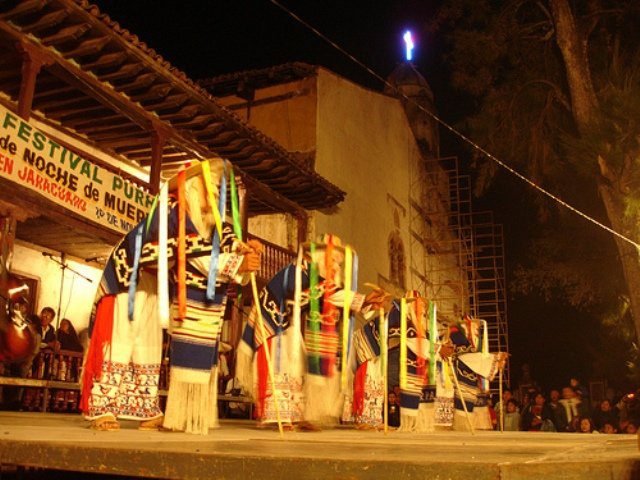
Jarácuaro: flower arches, dance and neighbourhood remembrance
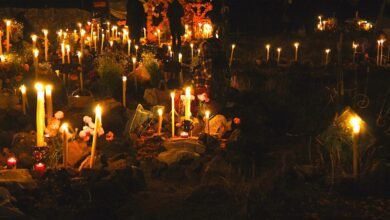
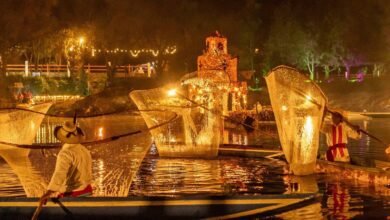
Jarácuaro was once an island in Lake Pátzcuaro; today it is connected to the mainland. It also has a vigorous musical and dance tradition. During the Festival of Souls, these facets of its history meet the making of offerings, floral arches and the responsibilities families and neighbourhoods take on to remember their dead.
The arches and the first offering
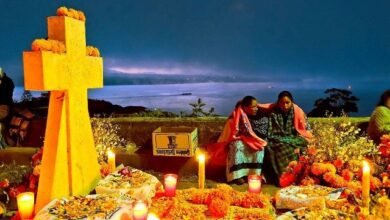
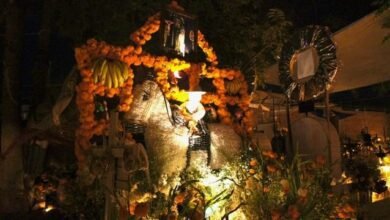
Mexico’s National Institute of Indigenous Peoples documents something especially significant about Jarácuaro. In the first year after a person’s death, relatives and godparents take part in the novena, prepare food and bring a reed arch adorned with flowers. The offering is not simply what visitors can see; it includes the work of preparing meals, praying, carrying the arch and accompanying the vigil.
This description shows the importance of kinship and ceremonial relationships. It does not establish that every neighbourhood must present exactly one arch, nor justify announcing a fixed number of altars for each edition.
Music and community life
Jarácuaro is known for its dance traditions. In October 2024, a report by Ultranoticias quoted community authorities describing flower arches and the organization of cultural activities for the Festival of Souls. The announced programme included music and dance alongside religious observances. The report helps distinguish community practices from public events, but it cannot be reused as a confirmed 2026 schedule.
A ceremonial arch and a dance performance serve different purposes. The arch may be tied to remembering one person and to the work of relatives and godparents; a performance may belong to an open celebration with its own audience and programme. Sharing a date does not turn them into a single rite.
A tradition that changes without losing its roots
Jarácuaro’s history reveals how a community can transform access to its territory, its relationship with tourism and its public activities without losing cultural identity. Calling its vigils “purer” than those of Janitzio or Tzintzuntzan would reduce that history to an unsustainable tourist competition.
Visitors encounter a living community, not a stage arranged solely for outsiders. Family practices, religious observances and activities announced by community authorities should be checked separately, including their respective schedules and access requirements.
The most thoughtful way to encounter its Festival of Souls is to recognize that balance: music may welcome the public, while the floral arch and the offering remain acts of family remembrance.
Documentary sources (original titles)
- Instituto Nacional de los Pueblos Indígenas, «11 altares indígenas de Día de Muertos», sección Jarácuaro.
- Ultranoticias, Jannia L. Serriteño, «Invita Jarácuaro a conocer su cultura y tradiciones durante la celebración de la Noche de Ánimas», 25 de octubre de 2024; declaraciones de autoridades comunitarias.
- Gobierno de Michoacán, «Panteones de Michoacán se iluminan para recibir a las ánimas en Noche de Muertos», 1 de noviembre de 2026.
- UNESCO, «Las fiestas indígenas dedicadas a los muertos», expediente 00054; proclamación de 2003 e inscripción de 2008.
Original Spanish titles and publication details are retained in the bibliography for accurate source identification.