The duck hunt: remembering a ritual of Lake Pátzcuaro
The story of Kuirisi-atakua speaks of food, canoes and offerings, but also of a practice that has changed. Understanding it means keeping historical descriptions separate from its present-day situation.
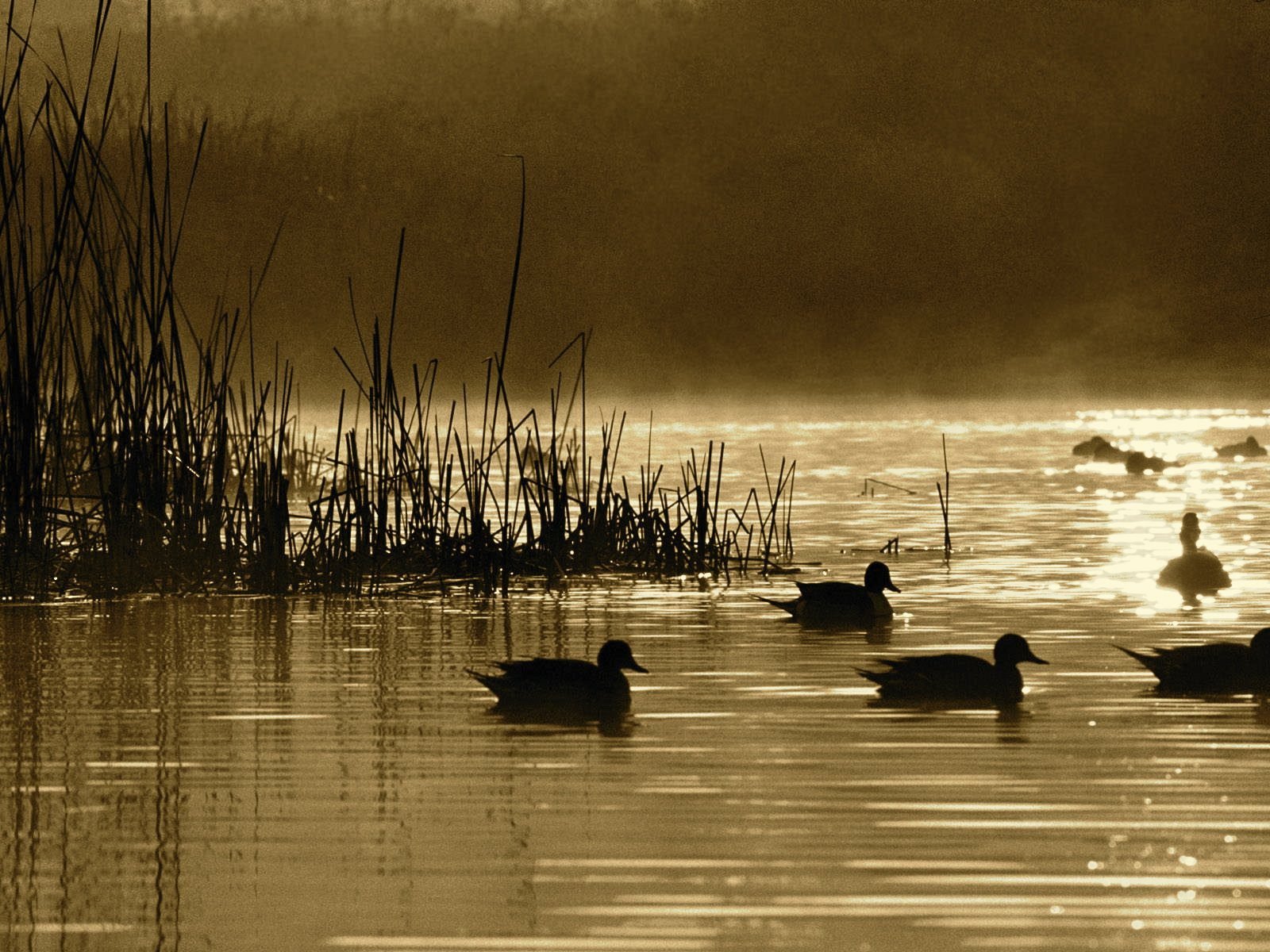
There was a time when preparing offerings in the communities around Lake Pátzcuaro could involve hunting wild ducks. The birds were among the foods dedicated to the dead during the Festival of Souls. Regional sources call the tradition Kuirisi-atakua, the duck hunt, and give it a distinctive place in the lake basin’s memory.
Its history needs no invented scene to be compelling. Consider the work of assembling hunters, organizing canoes and knowing the birds’ behaviour and the lake’s different habitats. This was labour connected with water, food and a ceremonial calendar that also included other offerings.
What the regional sources describe
A regional booklet distributed in 2015 by institutions and associations connected with Pátzcuaro places the start of the hunt in the early hours of October 31. Hunters reportedly set out in canoes from different settlements, using fishing and hunting equipment to find birds; the activity could have ceremonial and sporting purposes. The catch was used in dishes intended for offerings on subsequent days.
That document says the practice had declined compared with earlier decades but was still present in some places at the time, including Janitzio. It is a written account of the custom as described in 2015—not evidence of what happens in every community in November 2026.
A ritual is not a motionless relic
The duck hunt shows how traditions can connect work, food and the surrounding environment. Its forms were not necessarily identical in every village, and local circumstances matter when studying whether and how it continues.
The lake has undergone environmental transformations and changes in its economy. These raise serious questions about birds and the conditions under which older practices could take place. Yet the evidence presented here includes neither an ecological time series, nor recent community records, nor dated testimonies proving that Kuirisi-atakua has disappeared completely. We cannot assert that particular skills have vanished or that all families have replaced wild ducks with domestic poultry.
Nor can the Dance of the Fishermen be described as a proven replacement for the ceremonial hunt. These are different cultural expressions, each deserving its own history supported by the people and settings involved.
Remembering without inventing the present
A tradition may change form or frequency and still belong to a community’s social memory. The central responsibility is not to confuse a 2015 booklet with a survey of the lake in 2026, or use nostalgia to fill gaps in our research.
Kuirisi-atakua remains an important episode in the historical relationship between Purépecha communities, the lake and their dead. To establish current practice, contemporary evidence identifying communities, families, dates and circumstances would be required. Until then, the historical record gives us a sound way to tell its place in the Festival of Souls.
Editorial note: Unsupported claims about near-extinction, specialized implements, a supposedly exclusive Purépecha elite, universal substitution by domestic birds, the Dance of the Fishermen succeeding the hunt, or specific ecological causes have been deliberately excluded. The source dated 2015 documents a historical account, not the situation in 2026.
Documentary sources (original titles)
- La tradición de la Noche de Muertos — folleto regional de 2015, Hoteleros de la Región Pátzcuaro, asociaciones del sector y Delegación Regional de Turismo. Apartado «La cacería del pato (Kuirisi-atakua)», descripción histórica de técnicas, fechas y continuidad limitada.
- Secretaría de Cultura de Michoacán — «Noche de Muertos en la región Lacustre, la Cañada y la Ciénega» (2012). Contexto de la conmemoración regional.
- América Pedraza — fragmento de «Patrimonio cultural en Michoacán. Celebración del Día de Muertos», reproducido por la SEP (obra original: Patrimonio Cultural y Turismo, cuaderno 14, pp. 144–150). Variantes regionales de la conmemoración; reproducción parcial de la SEP.
Original Spanish titles and publication details are retained in the bibliography for accurate source identification.