Commemorating the Day of the Dead
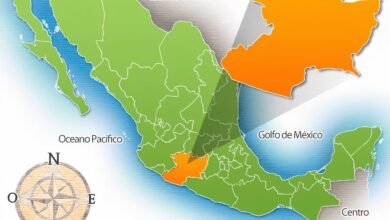
Around Lake Pátzcuaro, families keep the memory of the dead alive through offerings, gatherings and ceremonies that neither belong to a single night nor follow a single model. The tradition endures through the communities that practise it.
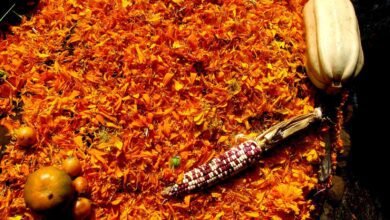
Long before visitors arrive, preparations for the Festival of Souls have begun. Homes are readied, graves cleaned, flowers collected, bread baked, and the foods and objects that will find a place in each offering are chosen. These are not theatrical preliminaries. They are acts of remembrance, reciprocity and belonging.
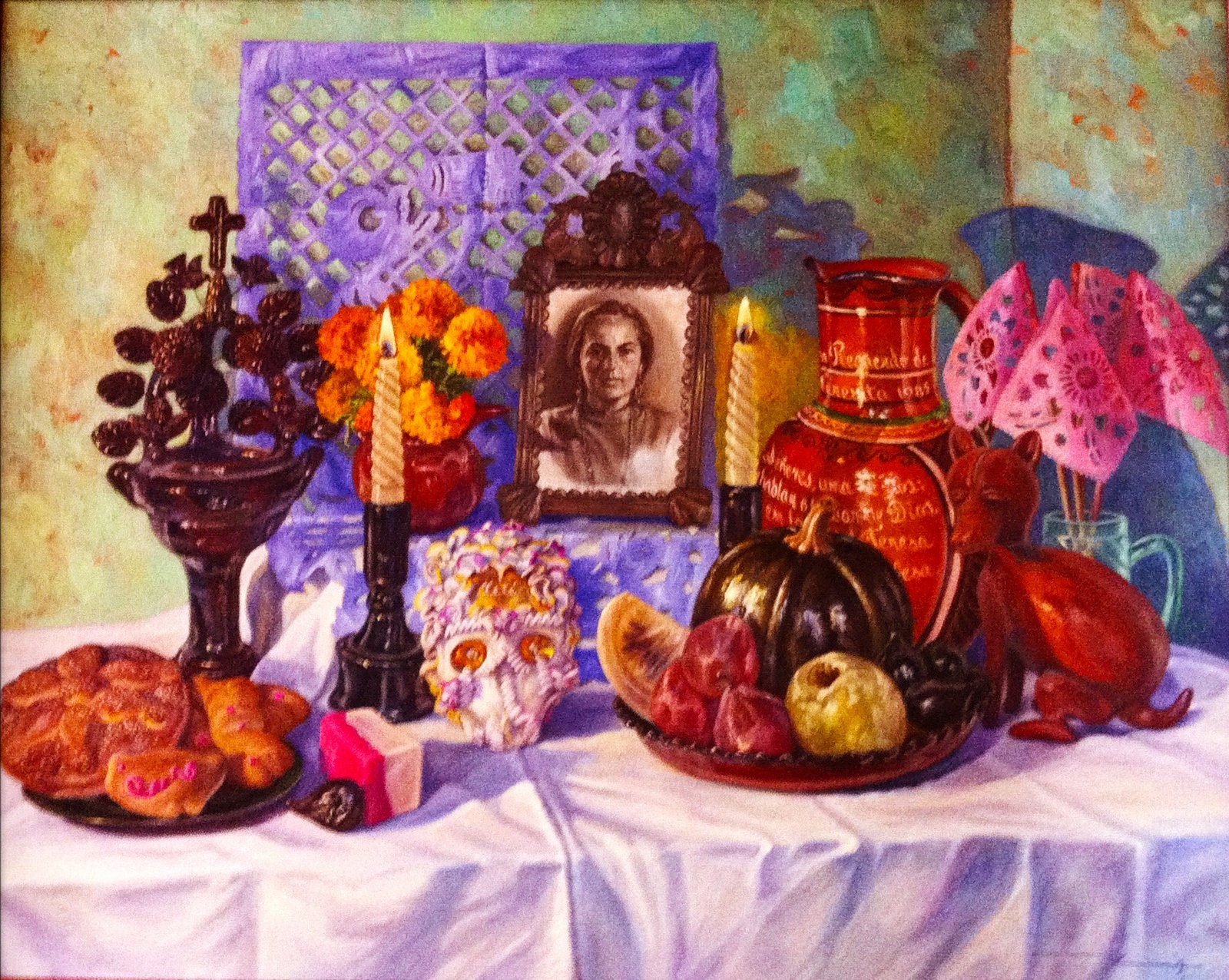
In Pátzcuaro and the lakeside communities, commemoration expresses a relationship that death does not end. Families remember their loved ones, await them according to their beliefs, and reserve a place for them with candles, food, water, flowers and prayers. Religious remembrance is interwoven with crafts, cooking, the organization of neighbourhoods and bonds between generations.
A shared tradition, many ways of observing it
Day of the Dead is not an identical ceremony in every Purépecha community. In some places, graves and vigils are central; elsewhere, the home and offerings for those who died recently take precedence. Flower arches, handmade objects, shared meals and community gatherings acquire different meanings according to locality and family history.
Such diversity deepens rather than weakens the commemoration. The lake links communities with different memories, each connecting everyday life to the dead in its own way. An offering cannot be understood only as a collection of universal symbols: the meaning of a flower, a loaf of bread or a personal possession is best understood within the family that placed it there.
History cannot be reduced to one explanation
Today’s observances bring together Indigenous practices predating colonization and elements of the Catholic religious calendar, particularly All Saints’ Day and All Souls’ Day. The result is not an immutable tradition. It has changed with community life while retaining the power to bring people together.
It is unfounded to explain Maya, Nahua, Purépecha and other peoples’ practices through a single month of the Mexica calendar or one shared deity. Each has its own trajectory. In Michoacán, the history of offerings and vigils should be studied through local evidence, historical sources and the voices of those who practise them.
What UNESCO recognized
In 2003 UNESCO proclaimed this cultural expression, and in 2008 entered it on the Representative List of the Intangible Cultural Heritage of Humanity under the name “Indigenous festivity dedicated to the dead”, relating to Mexico. UNESCO did not grant exclusive recognition to Pátzcuaro or identify one region as the sole birthplace of Day of the Dead.
The lake region remains prominent because of the vitality of its practices, the strength of its communities and the ways memory takes shape in homes, squares and cemeteries. It does not need to claim to be the country’s “most authentic” version to deserve cultural recognition.
Family memories change, too
Migration, work away from home, transformations of the lake and changes in domestic life have all left traces. An offering may include objects recalling a person’s tastes, daily routines or years spent far away. There is no compulsory inventory of altar objects, nor can an outsider infer a family’s story from what has been placed on it.
The Festival of Souls endures because it is passed on and remade. Its continuity does not depend on recreating a postcard. It rests on those who cook, offer, pray, accompany and remember. For visitors, understanding this is the most respectful way to approach the celebration.
Editorial note: Sources describe different periods and localities; none alone certifies every present-day practice in every community. The Spanish post’s title, URL, date and featured image are protected.
Documentary sources (original titles)
- UNESCO — Las fiestas indígenas dedicadas a los muertos, expediente 00054. Proclamación original de 2003 e inscripción en 2008.
- América Pedraza — fragmento de «Patrimonio cultural en Michoacán. Celebración del Día de Muertos», reproducido por la SEP (obra original: Patrimonio Cultural y Turismo, cuaderno 14, pp. 144–150). Diversidad regional y dimensión comunitaria.
- Secretaría de Cultura de Michoacán — «Noche de Muertos en la región Lacustre, la Cañada y la Ciénega» (2012). Descripciones de prácticas por territorio.
- La Jornada — «Las variantes de la Fiesta de las Ánimas» (2010). Crónica sobre formas distintas de ofrenda y velación.
Original Spanish titles and publication details are retained in the bibliography for accurate source identification.