Visiting the Festival of Souls with respect
A practical guide to visiting Pátzcuaro and its communities without turning family remembrance into a spectacle.
The Festival of Souls draws visitors with its flowers, lights and landscapes. Yet the heart of the occasion is not the photograph someone takes home, but the bonds families maintain with their dead. A thoughtful visit can bring us closer to the tradition without taking possession of its intimacy.
Listen and observe first
Speak quietly in cemeteries and near offerings, and follow the guidance of community members. Do not move flowers, candles, food or personal objects. Keep pathways clear and avoid standing where families need to gather or perform a ceremony.
Photography requires consent. Ask before taking a picture of a person, a family altar or a vigil. Public access to a place does not turn every ceremony into an image available for the camera. Avoid flash, strong lights and drones without the necessary permissions.
A deceased person’s story belongs first to those who loved them. Do not question a family about who lies in a particular grave or demand personal accounts. If someone volunteers a memory, listen attentively and gratefully. A conversation should begin with an invitation, not a demand.
In some communities, visitors may be offered food or drink as a gesture of hospitality. Thank your hosts, and accept or decline courteously. Do not ask for food from an offering or regard a shared meal as a service included with your visit.
Each community commemorates in its own way
Not every village holds a public nighttime vigil, nor does every community welcome visitors under the same conditions. Some events are private family ceremonies; others are open cultural activities or organized tourist experiences. Before setting out, establish which kind of gathering you are approaching and who determines access.
For example, in 2026 Janitzio welcomed visitors to cultural activities while its cemetery remained closed to the general public during rehabilitation work. Resident families could still hold their vigils. This was a measure for the 2026 edition only, demonstrating why information on each season must be checked separately.
Routes, transport and getting home
The lake region includes islands, shoreside settlements and nearby inland towns. Trying to see everything in a single night makes little sense. Choose a few places compatible with the activities actually taking place, and allow ample travel time.
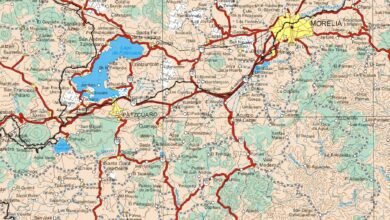
For island journeys, check the departure dock, last return boat, fare and possible weather-related interruptions. On roads, consult that edition’s traffic and parking notices. Historical maps help explain geography but are not current traffic instructions unless confirmed.
Wear comfortable shoes and warm clothing; bring drinking water and cash for small services. Pay attention to paths, stairs and people moving around you. Travellers who need mobility assistance should verify the accessibility of docks, streets and facilities in advance.
The best visit leaves the ceremony intact
Buying from local artisans, using community-run services and listening to residents’ guidance are tangible ways to reciprocate hospitality. So is stepping away when a family needs privacy.
To encounter the Festival of Souls is to approach a living tradition. Its beauty is best appreciated when we recognize that some places and moments belong to families, even if a visitor may glimpse them respectfully from a distance.
Editorial note: Maintain a consistent direct form of address; do not invent permissions applying to every community. The Janitzio example is specific to 2026.
Documentary sources (original titles)
- UNESCO — Las fiestas indígenas dedicadas a los muertos. Significado cultural y comunitario.
- Secretaría de Turismo de Michoacán — Accesos a Janitzio en 2026. Ejemplo temporal de acceso diferenciado.
- América Pedraza — fragmento de «Patrimonio cultural en Michoacán. Celebración del Día de Muertos», reproducido por la SEP (obra original: Patrimonio Cultural y Turismo, cuaderno 14, pp. 144–150). Variantes regionales de la conmemoración, según el fragmento publicado por la SEP.
Original Spanish titles and publication details are retained in the bibliography for accurate source identification.