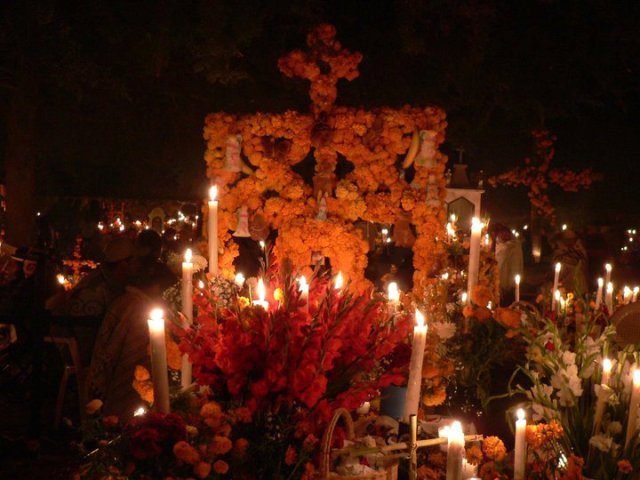
Cucuchucho: caring for one another in the face of loss
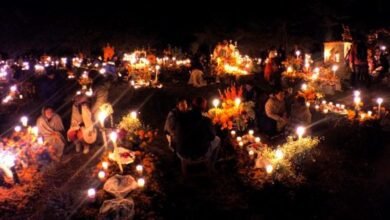
Cucuchucho, in the Lake Pátzcuaro region, has its own funerary history. Understanding it means looking beyond pictures of a small cemetery covered in flowers. A death entails shared tasks, family responsibilities and community organization that continue after the burial.
Mourning is collective work, too
A 2013 study by Gabriela Servín Orduño and Cindy Vanessa Olvera Camacho examined the cemeteries of Tzintzuntzan, Arócutin and Cucuchucho through photographs, historical sources and oral accounts. In Cucuchucho it describes the help relatives and neighbours provide after a death: food, firewood and arrangements for receiving those who come to the wake.
The sharing of these tasks reveals a deeper dimension of mourning. A loss belongs intimately to a family, but accompanying that family involves many people. The same study distinguishes an earlier burial place near the church from a later cemetery, showing how funerary customs have reshaped the community’s physical landscape.
The Festival of Souls and the family calendar
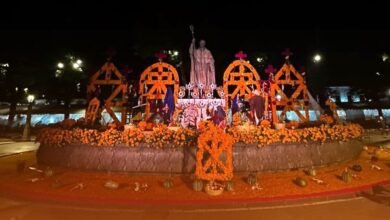
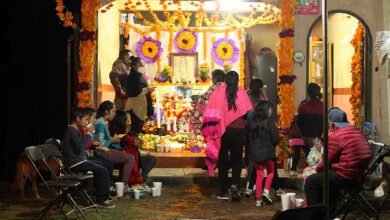
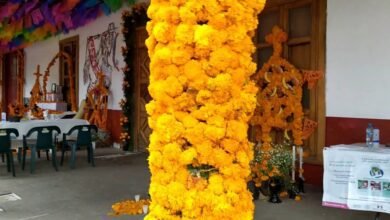
During days of remembrance, offerings bring together flowers, candles, food and objects associated with the dead. The observance is not identical for every family and should not be described solely as a vigil for the angelitos, or departed children. Children have a special place in several traditions, but the consulted sources do not justify presenting Cucuchucho as a community devoted exclusively to their commemoration.
Nor should anyone claim that all visitors must pray at a grave in exchange for food, or that families are required to receive tourists. Prayer and hospitality may be parts of personal relationships; turning them into conditions of admission would change their meaning.
A cemetery is not measured by crowds
Cucuchucho’s cultural importance does not depend on attracting fewer visitors than Janitzio. The size of a graveyard does not prove that the customs practised there are older or more authentic. Historical research shows precisely that such spaces change over generations.
In 2013, the researchers explored relationships between funerary landscapes, community practices and tourism. Their findings are an important historical reference, but not a substitute for up-to-date information on local access arrangements and the decisions families may make in 2026.
Cucuchucho’s history calls for attention to the work of caring: caring for mourners, for burial places and for the memory of those who remain part of the community. That is its richness, long before any promise of an “intimate experience” for travellers.
Documentary sources (original titles)
- Gabriela Servín Orduño y Cindy Vanessa Olvera Camacho, «El paisaje de los muertos: tres cementerios purépechas de la región lacustre de Michoacán», Cambios y Permanencias, núm. 4, 2013, pp. 370-391.
- UNESCO, «Las fiestas indígenas dedicadas a los muertos», expediente 00054, inscripción de 2008.
- Gobierno de Michoacán, «Panteones de Michoacán se iluminan para recibir a las ánimas en Noche de Muertos», 1 de noviembre de 2026.
Original Spanish titles and publication details are retained in the bibliography for accurate source identification.